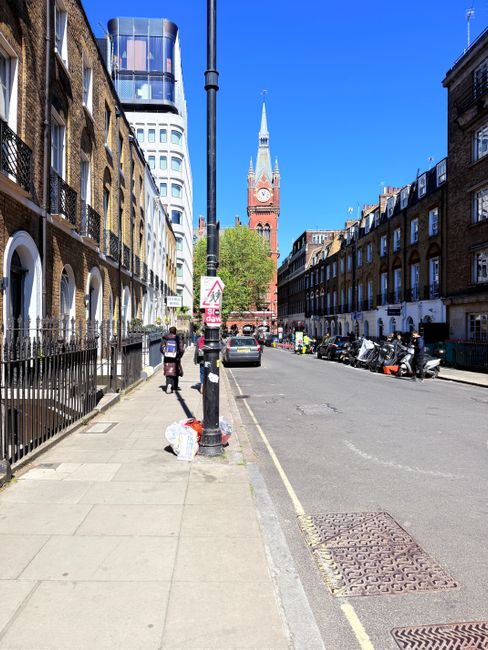
Avoid hidden cleaning charges in West Hampstead
If you have ever compared a few cleaning quotes and thought, "Why does this one look cheap at first glance, then somehow grow by the end?", you are not alone. Hidden fees can turn a sensible booking into a frustrating little mystery, especially when you need a cleaner in a hurry and just want the job done properly. This guide on how to avoid hidden cleaning charges in West Hampstead walks you through the warning signs, the questions worth asking, and the simple habits that help you keep control of the final price.
West Hampstead homes, flats, maisonettes and offices all have different cleaning needs, so pricing should always be clear enough to make sense of before anyone turns up with a mop. Let's make the whole thing easier. By the end, you will know how to compare quotes, spot vague wording, and choose a cleaning service with far fewer surprises. Honest pricing really should feel boring. That is the point.
Why Avoid hidden cleaning charges in West Hampstead Matters
Hidden cleaning charges matter because they can change the whole experience of hiring help. A quote that looked fair in the first message can become awkward when extras appear for stairs, parking, tough stains, minimum call-out time, or "specialist products" that were never mentioned clearly. In a place like West Hampstead, where people often live in compact flats, shared buildings and busy streets, the small print can matter just as much as the headline price.
To be fair, not every extra charge is shady. Some jobs genuinely cost more if they need specialist equipment or more time than expected. The problem starts when the customer is not told upfront. That is where frustration comes from. A transparent cleaner should explain what is included, what is not, and what would trigger an added fee. Simple, really, but not always done.
When the pricing is clear, you can compare services on a like-for-like basis. That helps with domestic bookings, end of tenancy work, one-off jobs, and even office cleaning where budgets can get tight and paperwork matters. If you are weighing up options, it can also help to review the provider's pricing and quotes information alongside the service you actually need, such as deep cleaning or end of tenancy cleaning.
How Avoid hidden cleaning charges in West Hampstead Works
The safest way to avoid surprise costs is to understand how cleaning quotes are usually built. A proper quote should normally reflect the size of the property, the type of cleaning, the condition of the space, access details, and whether any add-on tasks are included. For example, an empty one-bedroom flat with easy access is a very different job from a lived-in two-bedroom flat with pets, heavy oven grease and a stair-only entrance. Same postcode, very different workload.
Good pricing usually starts with a clear scope. That means the cleaner defines the rooms, surfaces, and tasks covered by the base price. Then any extras should be shown separately. This is especially important for services like one-off cleaning, oven cleaning, carpet cleaning, or window cleaning, where the final effort can vary a lot from property to property.
One practical sign of a clear provider is how they talk about exclusions. If they tell you something is not included before you commit, that is a good sign, not a bad one. It means you can decide whether the quote still works for you. A vague "from" price without context is much less useful than a properly explained estimate.
In plain English: you want a price that matches the actual job, not a teaser rate that only applies in ideal conditions. No one enjoys the awkward phone call afterwards. No one.
Key Benefits and Practical Advantages
Clear pricing does more than protect your wallet. It also reduces stress, speeds up decision-making, and helps you get the right cleaning service for the job.
- Fewer billing surprises: you know what you are likely to pay before the work starts.
- Better comparisons: you can compare one cleaner with another on an honest basis.
- Less admin back-and-forth: clear quotes cut down on phone calls and follow-up messages.
- More suitable service selection: you are less likely to book a basic clean when you really need a deep clean or specialist treatment.
- Stronger trust: transparent pricing usually reflects a more professional operation overall.
There is also a practical benefit that people sometimes overlook: clear pricing can help you plan the rest of your day. If a cleaner gives you an accurate estimate, you are less likely to be caught off guard when the job takes longer or costs more than expected. That matters if you are arranging handover for a tenancy, preparing for guests, or trying to keep an office running without disruption.
If you are booking for a home, you may find it useful to look at services such as domestic cleaning, house cleaning, or home cleaners so you can match the task to the level of support you need. The right fit often saves money in the long run, even if the headline price is not the absolute cheapest.
Who This Is For and When It Makes Sense
This matters for almost anyone booking a cleaner in West Hampstead, but a few groups feel it most sharply.
Tenants and landlords: end of tenancy work is one of the most common places hidden charges appear. Extra fees may be added for stain treatment, oven degreasing, carpet spots, or missed areas if the booking was not clearly scoped. If you are moving out, a detailed quote is worth its weight in gold.
Busy households: families and professionals often need regular help or a single reset clean after a hectic few weeks. If you are booking one-off cleaning or deep cleaning, clarity matters because the job may involve more than the standard tidy-up you had in mind.
Office managers and small business owners: commercial cleaning can look straightforward until you discover the quote does not include washrooms, kitchens, consumables, or out-of-hours work. If you are arranging office cleaning or need office cleaners, clear scope notes are essential.
People booking specialist work: upholstery, rugs, hard floors and ovens often have extra variables. A cleaner may need to assess fabric type, surface condition, or access before quoting properly. For these jobs, a clear explanation is not a luxury. It is the whole game.
If you have ever had a quote that changed after the cleaner arrived, or if you simply dislike guesswork, this is for you. And honestly, who doesn't prefer certainty when spending money?
Step-by-Step Guidance
Here is the straightforward process I would use if I wanted to keep pricing clean and honest.
- Define the job clearly. Write down the rooms, items, and surfaces that need attention. Be specific. "Kitchen deep clean" is useful; "whole flat please" is not.
- Note anything unusual. Stairs, parking restrictions, locked access, delicate surfaces, pets, mould, heavy grease or post-renovation dust should all be mentioned early.
- Ask what is included. Do not assume. Ask whether materials, equipment, stain treatment, or appliance cleaning are part of the base price.
- Ask what costs extra. A good company should be able to list common extras plainly, without making you feel awkward for asking.
- Get the quote in writing. A text or email is usually enough, as long as the scope is clear. Written notes reduce memory mismatch later.
- Check the terms and conditions. Look for cancellation charges, minimum hours, access issues, and any policy on re-cleans or complaints.
- Compare more than the headline figure. The cheapest quote is not always the best value if it excludes half the job.
- Confirm the final scope before the appointment. A quick confirmation message can prevent the classic "oh, I thought that was included" moment.
If you want to understand how a provider frames its pricing, the terms and conditions and payment and security pages are worth reading. They often reveal how the company handles deposits, timing, and unexpected changes.
Expert Tips for Better Results
A few small habits make a big difference.
Be boringly precise. That is a compliment, by the way. The more detail you give, the less room there is for confusion. Mention whether you want skirting boards, inside cupboards, fridge shelves, upholstery stain spots, or only visible surfaces. It sounds fussy. It saves money.
Ask for a breakdown, not just a total. A flat figure can be fine, but a breakdown helps you see what you are actually paying for. If the provider can separate labour, materials and extras, that is often a reassuring sign.
Look for language that is calm and specific. Phrases like "subject to inspection" or "extras may apply" are not automatically bad, but they should be explained. Vague marketing fluff is what you want to avoid. Clean language in pricing often mirrors clean work in practice.
Keep a copy of everything. Message threads, quote notes, and service descriptions can help if something changes later. It is one of those tiny admin habits that feels unnecessary until it suddenly matters a lot.
Match the service to the mess. A light refresh is not the same as a proper reset. If you are dealing with built-up dirt, renovation residue or abandoned property conditions, you may need something closer to after builders cleaning or deep cleaning rather than a routine visit.
Common Mistakes to Avoid
Most hidden charge problems happen because the booking stage was rushed. That is understandable, but it is still avoidable.
- Assuming everything is included: never assume ovens, fridges, inside cupboards, or stain treatment are part of the standard price.
- Sending a vague description: "Needs a clean" gives the cleaner very little to work with.
- Ignoring access costs: parking restrictions, difficult loading, or no lift can matter, especially in larger blocks.
- Choosing only by price: the lowest quote can become the most expensive once extras are added.
- Not checking cancellation terms: if your plans change, you may be charged even when the cleaner has not started.
- Forgetting specialist items: rugs, sofas, mattresses, and some floor finishes often need separate treatment.
One of the sneakiest mistakes is treating every cleaner like a same-size service. They are not. A cleaner working in a compact studio in West Hampstead is not quoting for the same job as someone handling a family house, a shared office, or a post-refurb flat with dust in every corner.
Another one: not asking about insurance. If something is damaged or if there is an accident, you want to know where you stand. The insurance and safety information should make that easier to judge. Not glamorous, but very useful.
Tools, Resources and Recommendations
You do not need fancy tools to avoid hidden cleaning charges. A decent note app, a checklist, and a few good questions are often enough. Still, a couple of practical resources on the site can help you make a more informed choice.
If you are comparing prices, start with the pricing and quotes page and then check the service page that matches your job. That way, you can see whether the quote really fits the task instead of relying on a generic estimate.
For trust and service standards, these pages are worth a look too:
- about the company for background and service approach
- health and safety policy for operational care and site conduct
- recycling and sustainability if eco-conscious methods matter to you
- privacy policy for how your details are handled
For specialist jobs, choose the service page that matches the task rather than trying to bundle everything into a single vague request. That is especially true for carpet cleaning, upholstery cleaning, sofa cleaning, rug cleaning, oven cleaning, and window cleaning.
Law, Compliance, Standards and Best Practice
For everyday customers, the key point is not to become a legal expert. It is to choose a provider that behaves transparently and responsibly. In the UK, consumer-facing services should describe prices clearly enough that the customer can understand what they are buying. If a quote is approximate, it should be presented as such, with the assumptions made plain.
That is the practical standard to aim for: clear scope, clear exclusions, clear payment terms, and a clear way to raise a complaint if something goes wrong. A reputable company should also be able to explain how it handles safety, insurance, access, and complaints without making the process feel like a maze.
Best practice is usually simple:
- pricing is explained before booking
- extras are named in advance where possible
- the scope of work is written down
- any significant change is confirmed before extra work starts
- the customer knows how to complain if needed
If you ever need to understand what happens when expectations and outcomes do not match, the complaints procedure can be an important trust signal. It shows the business has at least thought through how to handle real-world problems rather than pretending they never happen. That, honestly, matters.
Options, Methods, or Comparison Table
Different booking styles suit different situations. Here is a simple comparison to help you choose.
| Pricing approach | Best for | Pros | Watch out for |
|---|---|---|---|
| Fixed quote | Clear, well-defined jobs | Easier to budget and compare | Make sure the scope is detailed enough |
| Estimate | Jobs with some unknowns | Flexible if the property has variables | Ask what could increase the final cost |
| Hourly rate | Ongoing domestic or office work | Works well for recurring visits | Time can run if the task list is unclear |
| Service add-ons | Specialist extras like ovens, carpets or upholstery | Lets you customise the job | Extras must be itemised clearly |
If the job is straightforward, a fixed quote is often the calmest option. If the property is cluttered, older, or full of unknowns, an estimate can still work well, provided you know the boundaries. For recurring needs, something like house cleaning or office cleaning may fit better than repeatedly booking one-off visits.
Case Study or Real-World Example
A common West Hampstead scenario goes like this. Someone is moving out of a flat near the station and wants the place cleaned before inventory check-out. They send one quick message: "Please quote for end of tenancy clean." A cheap number comes back. It looks great. Then, closer to the date, the cleaner asks about the oven, internal windows, blinds, limescale in the bathroom, and carpet spots. The quote grows. The tenant feels blindsided, even though some of the extras were arguably fair.
Now compare that with a better version. The tenant sends a room-by-room list, notes that the oven is greasy, mentions a stair-only property, and asks whether carpet stain treatment is extra. The cleaner gives a written quote with the included areas and optional add-ons. The final price is a little higher at the start, but it stays steady. Less stress, less arguing, less scrambling on moving day. Much better.
Another real-world pattern shows up with families booking a spring reset clean after a busy period. The client thinks they need a standard clean, but the kitchen extraction hood, skirting boards, and shower glass tell a different story. A transparent provider explains that a deep clean or one-off clean is the right fit, not the cheapest basic booking. That advice can feel like upselling at first, but often it saves disappointment later.
That little bit of honesty goes a long way. It really does.
Practical Checklist
Use this quick checklist before you book.
- Have I described the job clearly and completely?
- Have I mentioned anything that makes access harder, like stairs or parking?
- Do I know exactly what the base price includes?
- Have I asked which tasks cost extra?
- Is the quote written down somewhere I can refer back to?
- Have I checked cancellation terms and payment timing?
- Do I know whether the company is insured and safety conscious?
- Am I comparing like-for-like quotes, not just headline prices?
- Does the service page match the work I actually need?
- Have I kept a copy of the message thread or quote summary?
And one more thing: if the quote feels fuzzy, ask for a clearer one. A decent provider will not mind. In fact, they will probably prefer it.
Get a free quote today and see how much you can save.
Conclusion
Avoiding hidden cleaning charges in West Hampstead is mostly about clarity, not confrontation. The best results usually come from simple habits: describe the job well, ask what is included, check the exclusions, and keep the agreement in writing. That is enough to stop most pricing headaches before they start.
Whether you are booking a flat clean, a full house reset, a move-out service, or a specialist job like carpets, ovens or upholstery, the same rule applies: a fair price should be understandable before the cleaner arrives. You should not need a detective hat to work out what you are paying for.
Choose the cleaner who explains things plainly. That one small decision can save you time, money, and a fair bit of stress. And if the process feels calmer from the start, that is usually a good sign you are in safe hands.
Clean pricing is a small thing, but it makes the whole experience feel lighter.
Frequently Asked Questions
What counts as a hidden cleaning charge?
A hidden cleaning charge is any extra cost that was not made clear before booking, such as fees for access, extra time, stain treatment, or specialist equipment. If it appears unexpectedly, that is the problem.
How do I avoid surprise fees when booking a cleaner in West Hampstead?
Be very specific about the job, ask what is included, ask what costs extra, and get the quote in writing. A few blunt questions upfront usually save a lot of hassle later.
Should a cleaning quote include materials and equipment?
It should be made clear whether materials and equipment are included. Some companies include them as standard, while others separate them out. The important thing is transparency.
Why do end of tenancy cleaning prices change so much?
Because the condition of the property, the amount of limescale, grease, carpet staining, and access details can vary a lot. End of tenancy cleaning is often one of the easiest places for misunderstandings to happen.
Is a fixed quote better than an hourly rate?
Neither is always better. A fixed quote is usually easier for budgeting, while an hourly rate can work well for ongoing domestic or office cleaning. The key is knowing how the price is calculated.
Can a cleaner charge extra for stairs or difficult access?
Yes, sometimes they can, if that cost is explained in advance. Stair-only access, long walking distances, or parking limitations can take more time and effort, so they may affect pricing.
What should I check in the terms and conditions?
Look for cancellation rules, arrival windows, payment timing, exclusions, and what happens if the scope of work changes. It is not exciting reading, admittedly, but it is useful.
Do I need a deep clean or a standard clean?
If the property has built-up dirt, neglected areas, or lots of detail work, a deep clean is usually more suitable. If it just needs upkeep, a standard domestic or house cleaning visit may be enough.
Are specialist jobs like oven cleaning and carpet cleaning usually priced separately?
Often, yes. Jobs such as oven cleaning, carpet cleaning, rug cleaning, sofa cleaning, and upholstery cleaning can require different tools, products, and time, so they are commonly quoted separately.
What is the safest way to compare two cleaning quotes?
Compare the same scope, the same rooms, the same extras, and the same access conditions. A cheaper quote is only cheaper if it genuinely covers the same work.
What if the price changes after the cleaner arrives?
Ask why the change is being made and whether the extra work was already included in the original scope. If it was not discussed clearly, you should challenge it politely and refer back to the written quote.
Where can I find more detail before I book?
Check the company's pricing, service pages, insurance and safety information, and terms and conditions before confirming. If you still have questions, a proper quote conversation is usually the next best step.